
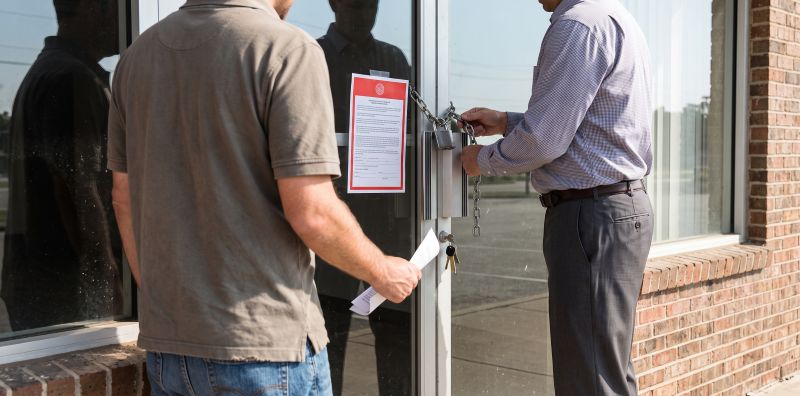
For commercial tenants in Texas, experiencing a lease dispute with a landlord can quickly escalate from an operational headache into an existential threat. Unlike residential leases where landlords face extremely strict limits and must immediately provide a key upon locking a tenant out, commercial landlords in Texas have much broader latitude.
If a commercial tenant is in default (such as failing to pay disputed property taxes or rent), a landlord can generally perform a lockout by physically changing the door locks and posting a formal notice on the front door detailing where a new key can be obtained after resolving the delinquency.
However, even when a landlord purports to execute a lockout correctly, a tenant who disputes the underlying breach cannot simply be left without a legal remedy to re-enter their space.
The Legal Mechanism: Writ of Reentry vs. TRO
When a commercial tenant is wrongfully locked out or disputes the landlord's grounds for eviction, determining the correct legal mechanism to gain immediate access to the premises is crucial.
- Temporary Restraining Order (TRO): Tenants often initial think of seeking a TRO or temporary injunction in district court to maintain the status quo. While a TRO might be appropriate before a lockout physically takes place to prevent an impending lock change, Texas courts generally will not grant a TRO to reverse a completed lockout.
- Writ of Reentry: Under Texas Property Code Chapter 93, the exclusive statutory mechanism to get a commercial tenant back into their physical space after a completed lockout is a Writ of Reentry.
Filing a Writ of Reentry in the appropriate Justice of the Peace court allows a tenant to present sworn testimony regarding the lockout. If the court finds the lockout was improper or unlawful, it will issue a writ commanding the constable or sheriff to serve the landlord and immediately restore the tenant's possession of the premises.
Statutory Damages for Unlawful Commercial Lockouts
Failing to follow Texas Property Code Chapter 93 procedures exposes landlords to severe financial consequences beyond simply letting the tenant back inside.
Under Texas Property Code § 93.002, if a landlord unlawfully locks out a commercial tenant or fails to comply with statutory notice requirements, the tenant may recover:
- Immediate Possession: A writ of reentry to immediately recover the property.
- Statutory Damages: An amount equal to the sum of one month's rent plus $1,000.
- Actual Damages & Fees: Any actual damages incurred by the business, court costs, and reasonable attorney's fees.
Because navigating commercial lease disputes and emergency Chapter 93 proceedings requires precise statutory compliance, commercial tenants facing a lockout should consult experienced Texas real estate counsel immediately.
All information provided on Silblawfirm.com (hereinafter "website") is provided for informational purposes only, and is not intended to be used for legal advice. Users of this website should not take any actions or refrain from taking any actions based upon content or information on this website. Users of this site should contact a licensed Texas attorney for a full and complete review of their legal issues.