
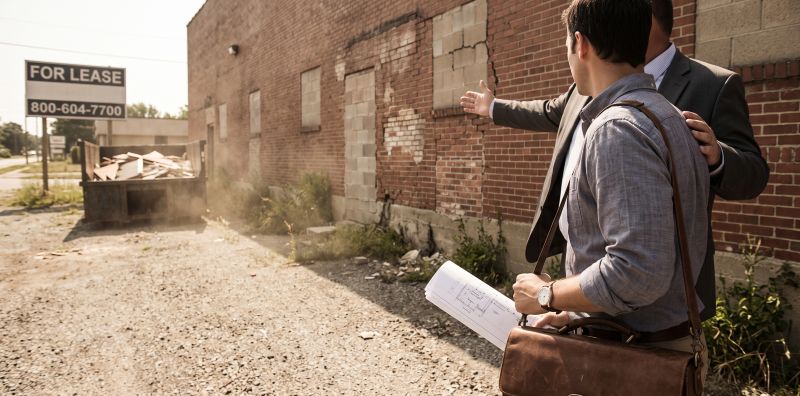
Signing a commercial lease to launch a new business—such as a restaurant—is a major financial commitment. When a landlord assures a tenant that a commercial space was previously used for the same purpose, a tenant might reasonably expect a smooth permitting process and minimal startup costs.
However, if those claims turn out to be false, the tenant may find themselves facing massive unexpected renovation expenses, municipal permitting delays, and significant financial losses. In Texas, tenants in this situation may have legal options under the doctrine of fraudulent inducement.
What Is Fraudulent Inducement in Texas?
In Texas, fraudulent inducement is a specific category of common law fraud that arises within the context of a contract. It occurs when one party uses false representations to trick another party into entering an agreement that they otherwise would not have signed.
To successfully establish a claim for fraudulent inducement, a plaintiff must prove the following key elements:
- Material Misrepresentation: The defendant made a false statement regarding a material fact (for example, stating a commercial space was previously permitted for restaurant use).
- Scienter (Knowledge or Recklessness): The defendant knew the representation was false when making it, or made it recklessly without any knowledge of its truth.
- Intent to Induce: The statement was made with the specific intention that the other party rely on it and execute the contract.
- Justifiable Reliance: The injured party actually relied on the misrepresentation, and that reliance was reasonable or justifiable under the circumstances.
- Injury: The party suffered financial harm or damage as a direct result of relying on the statement.
Under Texas Business and Commerce Code § 27.01, Texas statutory law also explicitly prohibits fraud in real estate and stock transactions. Section 27.01 allows an injured party who is fraudulently induced into a real estate transaction to recover actual damages, and in cases where the misrepresentation was made with actual awareness, exemplary (punitive) damages and attorney's fees.
The Battleground Element: Justifiable Reliance
In almost every fraudulent inducement lawsuit against a commercial landlord, the most fiercely contested element is justifiable reliance. Landlords commonly defend these claims by arguing that the tenant should have conducted their own due diligence before signing the lease.
Landlords will often argue that:
- The tenant physically inspected the property and should have recognized its true condition.
- Municipal permitting history and public records were readily accessible for the tenant to verify independently.
- The tenant was a sophisticated business actor who assumed the risk of lease execution.
Whether reliance on a landlord's verbal statements is "justifiable" is a highly fact-specific question. While courts expect parties to exercise reasonable prudence, Texas law generally holds that a party who intentionally lies or makes reckless representations cannot automatically escape liability simply because the victim failed to uncover the deception beforehand.
Overcoming Merger Clauses and "As Is" Lease Terms
Commercial leases almost universally contain standard boilerplate terms designed to shield landlords from pre-lease statements. These include merger clauses (stating that the written lease represents the entire agreement and supersedes all prior verbal statements) and "as-is" clauses.
While landlords frequently rely on these clauses to dismiss tenant complaints, Texas courts have repeatedly held that standard, generalized merger clauses do not automatically bar claims for fraudulent inducement.
Key Takeaway: Under established Texas Supreme Court precedent, a standard clause stating that a tenant "did not rely on outside representations" will only bar a fraud claim if the disclaimer language is explicit, clear, and specifically negotiated by sophisticated parties to disclaim reliance on the exact topic at issue. Generic boilerplate language cannot be used as a license to commit fraud.
If a commercial tenant can prove that a landlord's false representations directly induced them to sign a lease, the tenant may be entitled to rescind (cancel) the lease agreement, recover out-of-pocket expenses, and seek damages for their financial losses. Commercial tenants facing a similar lease dispute should consult an experienced Texas real estate attorney to evaluate the specific facts of their transaction.
All information provided on Silblawfirm.com (hereinafter "website") is provided for informational purposes only, and is not intended to be used for legal advice. Users of this website should not take any actions or refrain from taking any actions based upon content or information on this website. Users of this site should contact a licensed Texas attorney for a full and complete review of their legal issues.