
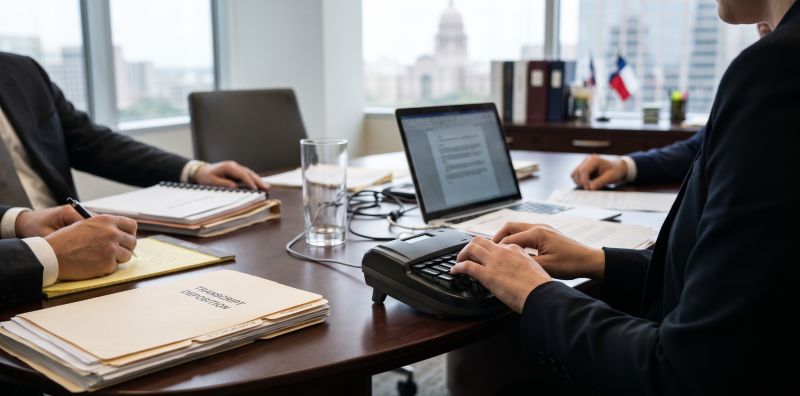
Sitting for an oral deposition in a Texas civil lawsuit can be an intimidating experience. As opposing counsel asks questions, witnesses often notice their attorney interjecting with a single, sharp word: "Form." Far from being a secret code designed to derail the proceeding, this concise interjection is strictly mandated by Texas court procedure to preserve trial objections while preventing attorney coaching.
The Purpose of the "Form" Objection Under TRCP 199.5
In Texas state court depositions, attorneys are prohibited from making lengthy, argumentative "speaking objections."
Under Texas Rule of Civil Procedure 199.5(e), objections to questions during an oral deposition are strictly limited to:
- "Objection, form" (routinely shortened to simply "Form")
- "Objection, leading"
Stating "Form" preserves the objection for the record on grounds that a question is vague, compound, speculative, argumentative, or assumes unproven facts. If opposing counsel requests clarification, defending counsel must state the specific legal defect briefly and non-argumentatively.
"Form" vs. Privilege: When You Must Still Answer
Deponents frequently assume that an attorney's objection signals them to remain silent. Under Texas discovery rules, the distinction between an objection and an instruction not to answer is critical:
- Objection to Form (Answer Required): The witness must still answer the question. The objection merely notes on the record that the inquiry was phrased defectively, preserving the issue for the trial judge to evaluate before the testimony can be admitted into evidence.
- Objection to Privilege (Do Not Answer): Under TRCP 199.5(f), an attorney may instruct a witness not to answer only to preserve a recognized legal privilege (such as attorney-client communications), comply with a court order, or halt a clearly abusive inquiry.
Deposition Time Limits and the "Read and Sign" Rule
To prevent witness fatigue and abusive discovery tactics, Texas procedural rules impose clear operational guardrails:
- Six-Hour Limit: Under TRCP 190.3 and TRCP 199.5(c), oral depositions in Level 2 cases are capped at six hours on the record per side, excluding breaks.
- The "Read and Sign" Procedure: Under TRCP 203.1, the witness has the right to review the court reporter's completed transcript, verify accuracy, and submit an errata sheet noting any typographical or transcription errors before the official record is finalized.
All information provided on Silblawfirm.com (hereinafter "website") is provided for informational purposes only, and is not intended to be used for legal advice. Users of this website should not take any actions or refrain from taking any actions based upon content or information on this website. Users of this site should contact a licensed Texas attorney for a full and complete review of their legal issues.