
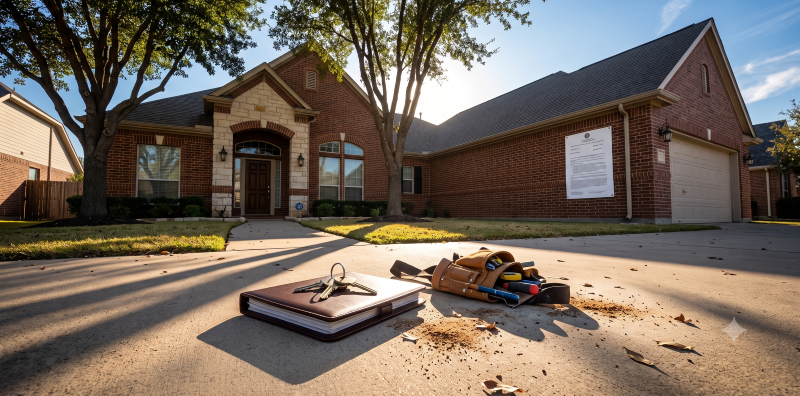
It is an all-too-common nightmare for Texas homeowners: you hire a contractor to complete a home improvement project or repair on your property. The work is either completed poorly, left unfinished, or results in a major fee dispute, and the contractor responds by filing a massive, improper mechanics lien against your homestead in the county deed records.
Because county clerks act strictly in an administrative capacity recording virtually any properly formatted document presented to them, unlawful contractor liens are routinely accepted without any initial verification. For homeowners, removing these invalid clouds on title can quickly turn into a costly legal nightmare.
The High Financial Barrier for Homeowners
When a contractor improperly files a mechanics lien against a residential homestead, the law is overwhelmingly on the homeowner's side. Under the Texas Property Code, qualifying a contractor lien against a valid homestead requires strict compliance with statutory notice requirements, execution of a written contract signed by both spouses prior to work commencing, and proper filing under Texas Property Code Chapter 53.
Most informal or disputed contractor claims fail to meet these stringent constitutional and statutory mandates, making the filed lien technically defective and legally invalid. However, because the document remains indexed in the county land records, it actively blocks the homeowner from refinancing, obtaining an equity loan, or selling their real estate.
Currently, there is no automatic administrative mechanism for a county clerk to cancel a bogus lien. To force the removal of an invalid lien, a homeowner is typically forced to retain a real estate litigation attorney and pay thousands of dollars in legal retainers to file a formal judicial action, such as a Summary Motion to Remove Invalid or Enforceable Lien under Texas Property Code § 53.160. Although a prevailing homeowner can recover court costs and attorney's fees, paying high upfront legal costs just to fix a contractor's illegal filing creates a severe financial burden for everyday consumers.
Protecting Your Homestead Rights
Homeowners must take proactive steps to protect their residential real estate from improper mechanic's liens. If an improper lien is filed against your primary residence, consulting with a qualified real estate litigation attorney early can help you issue a formal statutory demand letter to the contractor under Texas Civil Practice and Remedies Code Chapter 12.
Chapter 12 penalizes the intentional filing of a fraudulent court record or lien with statutory damages of $10,000 or actual damages, attorney's fees, and exemplary damages, giving homeowners significant leverage to compel a voluntary release before initiating costly court proceedings.
All information provided on Silblawfirm.com (hereinafter "website") is provided for informational purposes only, and is not intended to be used for legal advice. Users of this website should not take any actions or refrain from taking any actions based upon content or information on this website. Users of this site should contact a licensed Texas attorney for a full and complete review of their legal issues.