
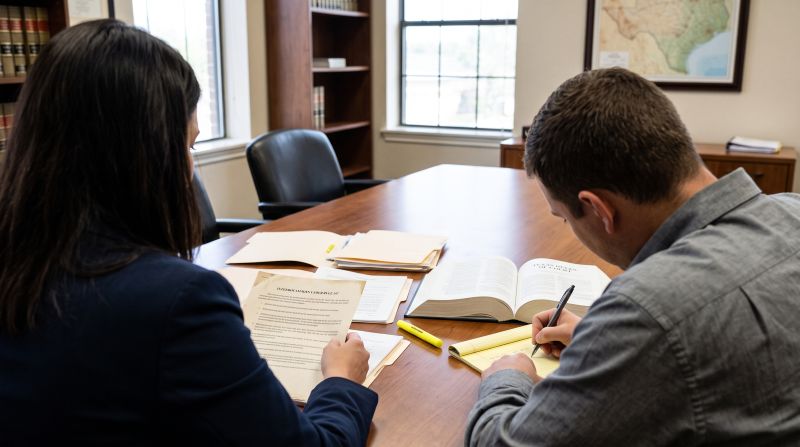
During the discovery phase of a Texas civil lawsuit, obtaining physical, tangible evidence is often the key to uncovering the true facts behind a legal dispute. While initial disclosures provide a broad starting point, parties must turn to specific written discovery tools to inspect emails, financial ledgers, contracts, and underlying communications.
Governed by Rule 196 of the Texas Rules of Civil Procedure, Requests for Production allow litigants to demand the formal production of documents, electronic files, and physical items held by the opposing party.
How Requests for Production Differ From Initial Disclosures
Litigants often wonder why separate Requests for Production are necessary when Texas Rule of Civil Procedure 194.2 already mandates automatic initial disclosures.
The primary distinction comes down to scope and strategy:
- Initial Disclosures: Parties are required to produce core documents that support their own claims or defenses. For instance, in a breach of contract case, a plaintiff will attach the formal contract to show the obligation that was allegedly breached.
- Requests for Production: Requests for Production allow a party to dig beneath the surface and request documents held by the opposing side to uncover why an event or breach occurred.
For example, while a plaintiff might only produce a failed real estate contract during initial disclosures, the defense can serve Requests for Production under TRCP 196 demanding all internal email exchanges between the buyer, the real estate agent, and the title company to determine the exact reason closing failed.
Numerical Limits and Proportionality Under Texas LawUnlike written interrogatories, which carry strict caps across discovery levels, the rules governing document requests vary based on the framework of the case:
Level 1 Expedited Actions (TRCP 190.2)
In smaller civil cases where the monetary relief sought is $250,000 or less, Texas Rule of Civil Procedure 190.2 strictly limits each party to no more than 15 Requests for Production.
Level 2 Standard Discovery (TRCP 190.3)
Under the default Level 2 framework, there is no fixed numerical cap on the number of document requests a party can serve. However, requests must satisfy the legal standard of proportionality. Under TRCP 192.4, courts will limit discovery if the burden or expense of producing the documents outweighs their likely benefit, considering the needs of the case, the amount in controversy, and the importance of the issues at stake.
Managing Complex Document Production and Modern ESI
In complex commercial, construction, or probate litigation, document production can quickly scale into thousands or even hundreds of thousands of pages of Electronic Stored Information (ESI).
Navigating massive paper trails requires structured management:
- Relevance and Privilege Review: Attorneys must review every requested file to confirm it is responsive to the demand and ensure privileged communications (such as attorney-client exchanges) are withheld and logged.
- AI and Legal Technology: Modern litigation increasingly relies on artificial intelligence and advanced document-review software to sort through vast volumes of data efficiently, drastically cutting down manual review hours.
Failing to respond properly to a valid Request for Production—or withholding relevant documents without asserting a valid privilege—can lead to formal motions to compel, court sanctions, and the exclusion of evidence at trial. Working with experienced Texas litigation counsel ensures your document requests are properly tailored and fully compliant with state court rules.
All information provided on Silblawfirm.com (hereinafter "website") is provided for informational purposes only, and is not intended to be used for legal advice. Users of this website should not take any actions or refrain from taking any actions based upon content or information on this website. Users of this site should contact a licensed Texas attorney for a full and complete review of their legal issues.