
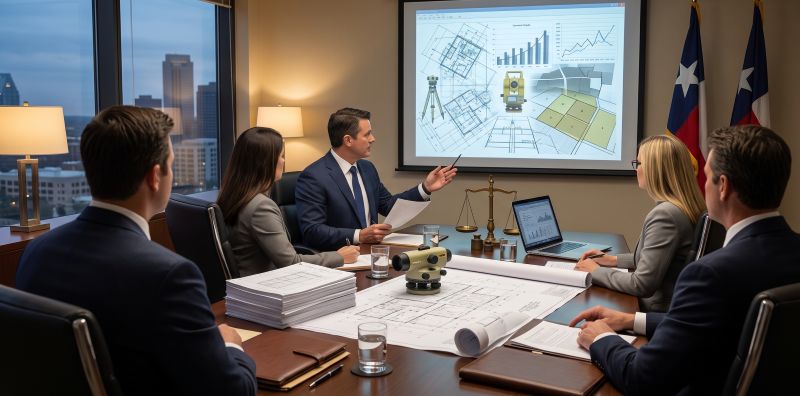
When litigating a civil lawsuit in Texas, successfully proving your case often requires more than simply taking the stand and telling your side of the story. Whether you are pursuing damages for real estate fraud, proving the necessity of a repair, or litigating a title dispute, certain elements of a lawsuit cannot be established by layperson testimony alone.
Under Texas civil procedure, failing to properly identify and designate qualified expert witnesses within strict statutory deadlines can result in the court barring your evidence entirely, leaving you unable to prove key aspects of your claims.
Understanding TRCP 195.2 and Designation Deadlines
In Texas state courts, the rules governing expert witnesses are strictly enforced under Rule 195.2 of the Texas Rules of Civil Procedure.
To prevent "trial by ambush," the rule establishes mandatory, rolling deadlines by which each party must formally designate their testifying experts to the opposing side:
- Plaintiffs Seeking Affirmative Relief: Must designate their expert witnesses 90 days before the end of the applicable discovery period.
- Defendants and Other Parties: Must designate their expert witnesses 60 days before the end of the applicable discovery period.
A formal expert designation requires providing the expert's identity, subject matter expertise, mental impressions, and a summary of the factual basis for their opinions. Under Texas Rule of Civil Procedure 193.6, if a party misses their Rule 195.2 deadline, the court will automatically exclude that expert from testifying at trial or submitting an affidavit for summary judgment, unless the party proves good cause or lack of unfair prejudice to the opposing side.
When Is an Expert Witness Legally Required?
Under Texas evidence law, lay witnesses can only testify to facts within their direct personal knowledge or offer opinions that do not require specialized scientific, technical, or professional training. If an issue exceeds the common understanding of an average juror or judge, an expert witness is legally mandatory.
Common Scenarios Requiring Expert Testimony:
- Property Valuations & Appraisals: Judges frequently prohibit homeowners from testifying on exact market valuations without professional credentials, requiring a licensed real estate appraiser to establish true property value.
- Complex Title & Boundary Opinions: Interpreting historical metes-and-bounds surveys, chain-of-title defects, or technical title insurance opinions typically requires a land surveyor or title examiner.
- Attorney's Fees: Proving attorney's fees were "reasonable and necessary" strictly requires expert testimony from an attorney.
The Financial Reality of Retaining Experts
While identifying and formally designating an expert witness within the Rule 195.2 window is a procedural necessity, litigants must also budget for the actual costs involved.
Retaining professionals like real estate appraisers, surveyors, architects, or engineers can easily add thousands of dollars to the cost of a lawsuit. In smaller claims, these expenses can significantly impact overall litigation strategy.
However, trying to cut corners by skipping an expert designation often leads to an immediate defense motion to strike your evidence. Working with an experienced Texas litigation attorney early in your lawsuit ensures that necessary experts are identified, budgeted for, and designated before statutory deadlines pass.
All information provided on Silblawfirm.com (hereinafter "website") is provided for informational purposes only, and is not intended to be used for legal advice. Users of this website should not take any actions or refrain from taking any actions based upon content or information on this website. Users of this site should contact a licensed Texas attorney for a full and complete review of their legal issues.