
When a lawsuit moves toward a summary judgment hearing, parties often assume they will get their day in court to present witness testimony and convince the judge in person. In Texas civil litigation, however, motions for summary judgment (MSJs) operate under strict procedural rules.
Knowing what evidence can be submitted and understanding that live witness testimony is completely barred is critical to building a winning case on paper.
Why There Is No Live Testimony at an MSJ Hearing
A common misconception among litigants and inexperienced attorneys is that a summary judgment hearing looks like a traditional trial. Parties often expect to take the stand, call key witnesses, and deliver oral testimony.
Under Rule 166a of the Texas Rules of Civil Procedure, live oral testimony is not allowed at a summary judgment hearing.
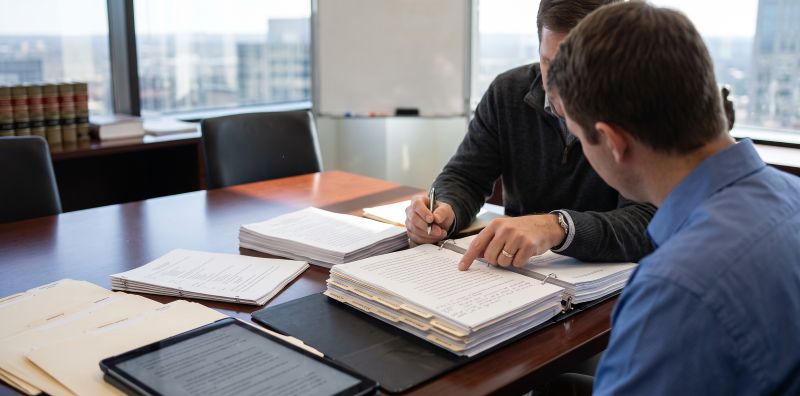
Because an MSJ asks the court to decide the case without a full trial, the judge evaluates the matter strictly as a "trial on paper". Arguments made by attorneys during the hearing do not constitute evidence. The outcome hinges entirely on the written record and physical exhibits attached to the motion or response before the hearing date.
What Evidence Counts in a Traditional Summary Judgment?
In a Traditional Motion for Summary Judgment under TRCP 166a(a)-(b), the moving party asserts that no genuine issue of material fact exists and that they are entitled to judgment as a matter of law. To meet this burden, the party must attach admissible, unrefuted evidence directly to their motion.
Valid summary judgment evidence under Texas law includes:
- Sworn Affidavits and Declarations: Formal statements made under penalty of perjury by individuals with personal knowledge of the facts.
- Business Records and Invoices: Authenticated records: such as contracts, unpaid invoices, or accounting ledgers—proving claims like a breach of contract or non-payment.
- Deposition Transcripts: Sworn testimony taken during the pre-trial discovery phase.
- Discovery Responses: Written answers to interrogatories, responses to requests for production, and formal admissions.
For example, in a breach of contract case, a plaintiff might attach the signed agreement, unpaid invoices, proof of delivery, and an affidavit confirming the outstanding balance. If this documentation is complete and unrefuted, the judge can order the defendant to pay without proceeding to a jury trial.
All information provided on Silblawfirm.com (hereinafter "website") is provided for informational purposes only, and is not intended to be used for legal advice. Users of this website should not take any actions or refrain from taking any actions based upon content or information on this website. Users of this site should contact a licensed Texas attorney for a full and complete review of their legal issues.