
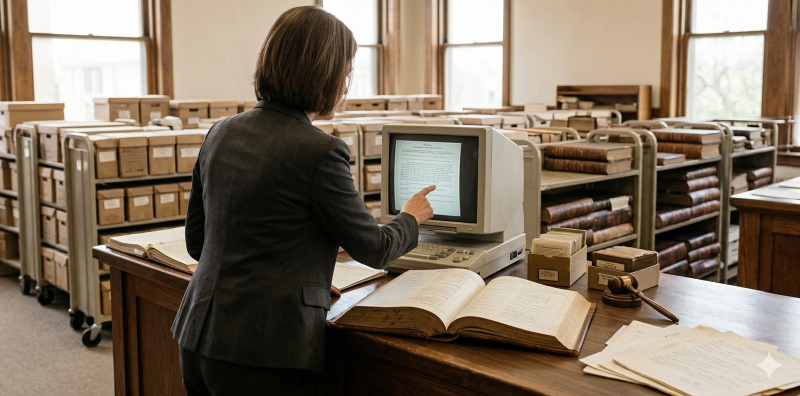
In the world of real estate, understanding the status of a property’s title is crucial. Whether you are an investor looking for a deal or a neighbor curious about a nearby home, identifying a foreclosure requires a basic understanding of how Texas real property records are organized. Unlike some states that rely heavily on judicial proceedings, Texas is a non-judicial foreclosure state, meaning the evidence of a foreclosure is found in specific deed filings.
The Role of the Substitute Trustee
The key to identifying a foreclosure in Texas lies in the Substitute Trustee. In a standard Texas mortgage, the borrower signs a Deed of Trust, which grants a trustee the power to sell the property if the borrower defaults on the loan.
According to Texas Property Code § 51.002, once a default occurs, a lender will typically appoint a Substitute Trustee to handle the sale. This trustee is responsible for posting the notice of sale at the county courthouse and eventually conducting the public auction on the first Tuesday of the month.
Searching for the Trustee’s Deed
To confirm if a foreclosure has actually taken place, you must search the Real Property Records in the county where the property is located. You are looking for a specific document called a Trustee’s Deed (or a Substitute Trustee’s Deed).
When a property is sold to a successful bidder at a foreclosure auction, the Substitute Trustee signs this deed to transfer ownership from the previous owner to the new buyer. The presence of this recorded document is the definitive legal proof that the foreclosure process has been completed. If you see a Trustee's Deed where the Grantor is a trustee, a foreclosure has occurred.
The Mystery of the Sales Price
A common point of frustration for researchers is trying to determine exactly how much a property sold for at a foreclosure auction. While the Trustee's Deed confirms the transfer, it does not always disclose the final bid amount.
In Texas, it is common practice to use nominal consideration language in deeds. You will frequently see the consideration listed as "$10.00 and other good and valuable considerations." This is perfectly legal under Texas law, but it means the actual sales price is not part of the public deed record.
All information provided on Silblawfirm.com (hereinafter "website") is provided for informational purposes only, and is not intended to be used for legal advice. Users of this website should not take any actions or refrain from taking any actions based upon content or information on this website. Users of this site should contact a licensed Texas attorney for a full and complete review of their legal issues.