
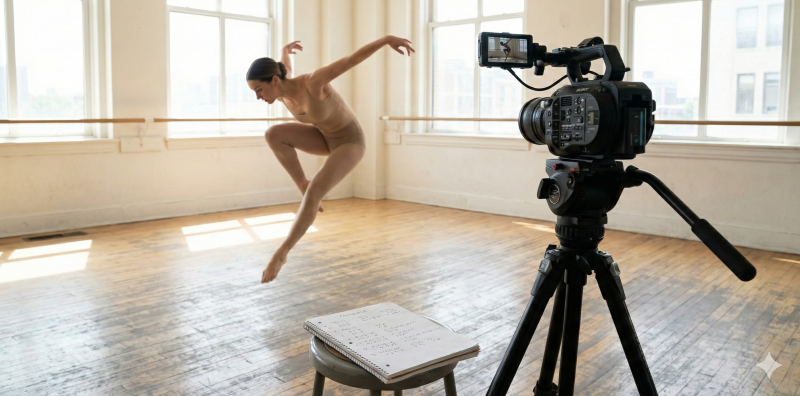
The world of intellectual property often struggles to keep pace with digital culture, and the question of whether a dance can be copyrighted is a complex one. The core of copyright law is meant to protect original works of authorship fixed in a tangible form of expression, and while dance can be protected, the law draws a hard line on short, simple routines.
The Requirements for Copyrightable Dance
For a dance to be protected by copyright in the United States, it must meet several criteria:
- Originality: It must be an original work created by the author.
- Fixation: It must be fixed in a tangible medium, such as a video recording or written notation.
- Coherent Whole: The work must be a coherent whole—a composition and arrangement of a related series of movements and patterns—rather than just a collection of individual moves.
The distinction between a "coherent whole" and a "collection of individual moves" is key. A full-length choreography for a musical, like a three or four-minute dance routine for a stage performance, would likely rise to the level of copyrightable expression because it tells a story, develops a theme, or constitutes a complex artistic composition.
Why TikTok Dances Are Not Protected
Despite their viral popularity, most short social media trends, often called "TikTok dances," are generally not copyrightable. The courts have established that:
- Short Routines are Not Protected: Short routines consisting of only a few steps, even if they are novel or distinctive, are typically not protected. These movements are often considered simple routines or social dances, which the law does not protect.
- The "Floss" Example: A short, easily copied dance like the "floss" is unlikely to be protected, meaning the original creator may not be able to profit legally from celebrities and users copying their moves worldwide.
Without copyright protection, the original creator loses the right to sue for infringement or claim royalties, leaving them to rely on social credit rather than financial compensation.
The Social and Political Landscape of Trends
The rise of viral dance trends highlights a disconnect between internet fame and legal protection. Many trends are easily adopted by the public, celebrities, and even political figures. These trends are highly visible but often impossible for the creator to monetize through intellectual property law.
All information provided on Silblawfirm.com (hereinafter "website") is provided for informational purposes only, and is not intended to be used for legal advice. Users of this website should not take any actions or refrain from taking any actions based upon content or information on this website. Users of this site should contact a licensed Texas attorney for a full and complete review of their legal issues.