In a Texas will contest, particularly one involving allegations of dementia or a lack of capacity, the evidence often comes down to the testimony of those who knew the deceased best. Proving a case in court requires a combination of "real-world" observations and professional expertise to paint a complete picture of the testator’s mental state at the time the will was signed.
Fact Witnesses and Daily Observations
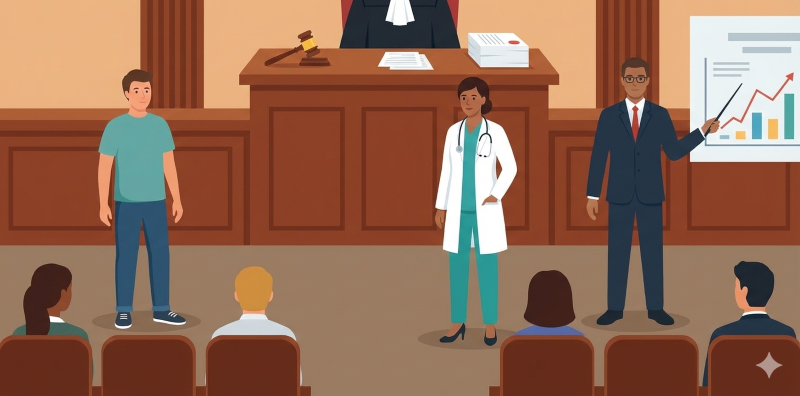
The most common witnesses in a will contest are "fact witnesses"—individuals who can speak to the daily life and behavior of the person who made the will. This category typically includes family members, friends, and neighbors. While these witnesses may not have been in the room during the signing, their testimony is vital for establishing a pattern of behavior.
For example, a family member might testify that they spoke to the testator the day before and the day after the signing, and on both occasions, the person did not recognize them. Under the Texas Rules of Evidence, this circumstantial evidence allows a jury to infer the testator’s mental state on the day the pen hit the paper. Witnesses who were actually present for the signing, such as the notary or the formal witnesses to the will, provide the most direct evidence of "lucidity" during the execution of the document.
Medical Professionals and Formal Diagnoses
Doctors and nurses are essential for providing the clinical background of the testator's health. While a general diagnosis of dementia is significant, it is rarely the end of the legal analysis. Medical witnesses can clarify whether a diagnosis was early-stage or late-stage and describe the typical symptoms the patient exhibited.
Medical records serve as the foundation for this testimony. However, because a doctor is rarely present at the exact moment a will is signed, their testimony often focuses on the testator’s general capacity and the likelihood that they were experiencing a "lucid interval"—a temporary period of clarity—during the execution of the will.
The Role of Expert Witnesses
In many cases, hiring a medical expert is a strategic necessity, especially when defending a will against a dementia claim. An expert witness, such as a geriatric psychiatrist or a neurologist, can review medical records and explain complex cognitive conditions to a jury.
A medical expert can testify that a dementia diagnosis does not automatically mean a person is incapable of making a will. They can opine on how the testator could have been lucid on a specific morning, even if they suffered from "sunsetting" or confusion later that same afternoon. This expert testimony provides the scientific weight needed to support the observations of fact witnesses, helping the jury understand the nuances of testamentary capacity under the Texas Estates Code.
All information provided on Silblawfirm.com (hereinafter "website") is provided for informational purposes only, and is not intended to be used for legal advice. Users of this website should not take any actions or refrain from taking any actions based upon content or information on this website. Users of this site should contact a licensed Texas attorney for a full and complete review of their legal issues.