
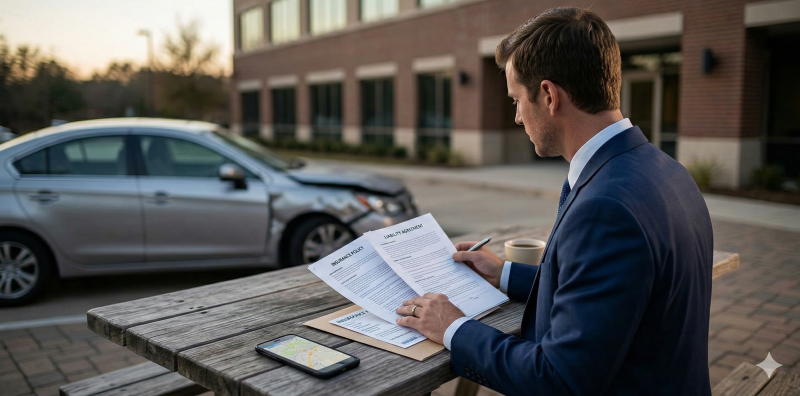
The moments following an auto accident are often a blur of exchanging insurance cards and taking photos of damage. Many Texans leave the scene under a common misconception: that they can simply call the other driver's insurance company, open a claim, and expect a check. In reality, the legal and contractual structure of insurance in Texas is much more rigid than it appears.
The Reality of Contractual Privity
The primary reason you cannot "force" a claim with someone else's insurance is a legal concept called privity of contract. An insurance policy is a private contract between the insurer and the person who pays the premiums (the insured).
Only the parties to a contract can sue to enforce its terms. Because you are not a party to the other driver's contract, the insurance company generally owes you no direct duty to pay out until their driver’s liability is legally established. While they may choose to settle voluntarily to avoid a lawsuit, they are not legally obligated to perform for you just because you called them.
The Claims Process vs. The Lawsuit
In Texas, we are a "third-party liability" state, but we are not a "direct action" state. This means:
- The Claim: You can notify the other driver's carrier and request they cover your damages. They may investigate and offer a settlement, but they can also simply say "no" or ignore you while they wait for their own policyholder to respond.
- The Lawsuit: If the insurance company refuses to pay, your legal recourse is not to sue the insurance company; you must sue the individual driver responsible for the accident.
- The Duty to Defend: Once you sue the driver, then their insurance contract kicks in. The insurer has a duty to provide a lawyer and pay any judgment up to the policy limits.
The Two-Year Statute of Limitations
A frequent point of frustration for many is the timing of these lawsuits. You may notice that personal injury attorneys often wait until the "11th hour"—often 23 months after the accident—to file a suit. This is because of Texas Civil Practice and Remedies Code § 16.003, which sets a strict two-year statute of limitations for personal injury and property damage claims.
If you do not file a formal lawsuit within two years of the date of the accident, you lose your right to sue forever. Attorneys often use this window to allow for maximum medical improvement, ensuring they know the full extent of the injuries before finalizing the claim. However, once that clock runs out, neither the driver nor their insurance company is legally required to pay a dime.
All information provided on Silblawfirm.com (hereinafter "website") is provided for informational purposes only, and is not intended to be used for legal advice. Users of this website should not take any actions or refrain from taking any actions based upon content or information on this website. Users of this site should contact a licensed Texas attorney for a full and complete review of their legal issues.